
Behavioral health is closely connected to the way you think, feel, and handle everyday situations. It includes your emotional well-being, mental health, daily habits, and the behaviors you develop while dealing with stress or personal challenges.
Think about a time when you were under pressure. Perhaps you had trouble sleeping, stopped enjoying your usual activities, or found yourself getting irritated over small things. These changes may seem unrelated, but they can be connected to your behavioral health.
Behavioral health is about understanding these connections. It looks beyond individual symptoms and considers how your thoughts, feelings, actions, and physical health affect one another.
What Does Behavioral Health Mean?
In simple terms, behavioral health describes how your emotions, thoughts, and everyday behaviors influence your overall health.
It covers a wide range of concerns, including anxiety, depression, substance use, stress, and difficulty managing emotions. It also considers everyday habits such as sleeping, eating, exercising, and interacting with other people.
For example, someone dealing with ongoing anxiety may begin avoiding social situations. Another person experiencing depression may lose interest in hobbies or struggle to maintain a regular routine.
These experiences can affect more than someone’s mood. They may also influence relationships, work, physical health, and everyday responsibilities.
Behavioral health care helps people understand these difficulties and explore appropriate ways to manage them.
What Is the Difference Between Behavioral Health and Mental Health?
People often use the terms “behavioral health” and “mental health” interchangeably. They are closely related, but their meanings are slightly different.
Mental health mainly refers to your emotional, psychological, and social well-being. It influences how you think, manage emotions, make decisions, and respond to life’s challenges.
Behavioral health is commonly used as a broader term. It includes mental health but also considers daily habits, coping behaviors, substance use, and lifestyle patterns.
For example, depression is a mental health condition. However, when depression affects someone’s sleep, eating habits, motivation, and social activities, those behavioral changes also become important parts of their overall care.
Both areas matter because emotional well-being and everyday behavior are connected.
What Are Common Behavioral Health Conditions?
Behavioral health concerns can look different from one person to another. Some people experience changes in their mood, while others struggle with concentration, sleep, or managing stressful situations.
The following are some common conditions associated with behavioral health care.
Anxiety Disorders
Anxiety is more than feeling nervous before an important meeting or difficult conversation. For some people, worry becomes difficult to control and starts affecting everyday life.
Common symptoms include excessive worrying, restlessness, difficulty concentrating, sleep problems, and a racing heartbeat.
People with anxiety may also avoid situations that make them uncomfortable. When these symptoms become persistent, a professional assessment can help identify what may be happening.
Depression
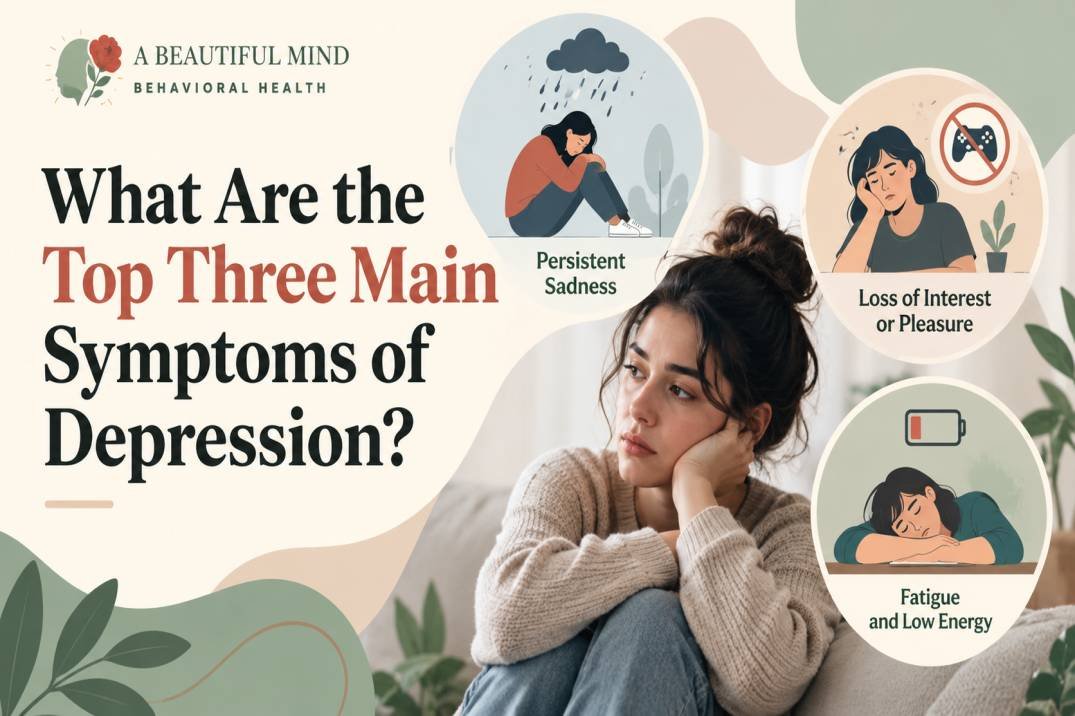
Depression can affect how you feel, think, and approach everyday activities. It does not always appear as sadness. Some people experience low energy, irritability, emotional numbness, or a loss of interest in things they once enjoyed.
Other symptoms may include changes in appetite, sleep difficulties, feelings of hopelessness, and trouble concentrating.
Depression is a treatable condition. The appropriate approach depends on the person’s symptoms, health history, and individual needs.
Post-Traumatic Stress Disorder (PTSD)
PTSD can develop after someone experiences or witnesses a traumatic event. The experience may continue to affect how the person feels, thinks, and responds to situations.
Symptoms can include unwanted memories, nightmares, avoiding reminders of the event, and feeling constantly alert or unsafe.
PTSD can affect relationships, sleep, and daily responsibilities. Professional support can help people understand their symptoms and explore suitable treatment.
Attention-Deficit/Hyperactivity Disorder (ADHD)
ADHD is a neurodevelopmental condition that can affect attention, organization, impulse control, and time management.
Adults with ADHD may find it difficult to stay focused, complete tasks, manage schedules, or keep track of responsibilities.
A proper assessment is important because concentration problems can also have other causes, including stress, sleep difficulties, and certain medical conditions.
Bipolar Disorder
Bipolar disorder involves changes in mood, energy, and activity levels. A person may experience depressive episodes as well as periods of mania or hypomania.
These mood changes can affect sleep, decision-making, relationships, and daily functioning.
Ongoing professional care can help people understand their symptoms and manage the condition.
Substance Use Disorders
Substance use disorders involve patterns of alcohol or drug use that become difficult to control, even when they cause problems in someone’s life.
They may affect physical health, relationships, work, and emotional well-being. Treatment can involve specialized medical care, counseling, and recovery support.
Not every behavioral health concern is a mental health diagnosis. Persistent changes in emotions or behavior can still be worth discussing with a qualified professional.
How Can Behavioral Health Affect Your Physical Health?
Your mind and body do not work separately. Emotional difficulties can affect physical health, and physical health problems can influence your mood and behavior.
For example, ongoing stress may make it difficult to fall asleep. After several nights of poor sleep, you may feel tired, become easily frustrated, or struggle to concentrate.
Some people also experience muscle tension, headaches, changes in appetite, or digestive discomfort during stressful periods.
These symptoms do not automatically indicate a behavioral health condition. They can have several possible causes.
Paying attention to both physical and emotional changes can help you understand when it may be time to speak with a healthcare professional.
What Are the Warning Signs of Behavioral Health Problems?
Behavioral health changes are not always obvious at first. You might simply notice that everyday activities feel more difficult than they used to.
Some signs to pay attention to include:
- Feeling worried, sad, or overwhelmed for long periods.
- Losing interest in activities you usually enjoy.
- Avoiding friends, family, or social situations.
- Having trouble sleeping or sleeping much more than usual.
- Experiencing changes in appetite.
- Finding it difficult to concentrate or make decisions.
- Feeling unusually irritable or emotionally exhausted.
- Struggling to manage work or personal responsibilities.
- Using alcohol or other substances to cope with difficult emotions.
One symptom alone does not establish a diagnosis. However, if changes continue or begin affecting your daily life, discussing them with a qualified professional can be helpful.
What Can You Do to Support Your Behavioral Health?
Taking care of your behavioral health does not mean you need to make major changes overnight. Small steps that fit your everyday routine can be a useful starting point.
Make sleep a priority. Try to maintain a regular bedtime and wake-up schedule. Give yourself time to relax before going to bed, especially after a stressful day.
Stay physically active. Walking, stretching, cycling, or another activity you enjoy can support your physical and emotional well-being. Start with something manageable rather than setting unrealistic goals.
Pay attention to your feelings. If you notice that certain situations repeatedly leave you stressed or upset, take time to understand what may be causing that response.
Stay connected with people you trust. Talking with a supportive friend or family member can make difficult experiences feel less isolating.
Give yourself time to rest. Constantly trying to meet work, family, and personal expectations can become exhausting. Taking breaks is a normal part of looking after yourself.
These habits can support your well-being, but they are not a substitute for professional treatment when treatment is needed.
What Treatment Options Are Available for Behavioral Health?
There is no single treatment that works for everyone. The right approach depends on the person’s symptoms, health history, preferences, and professional assessment.
Some commonly used options include:
Therapy and Counseling
Therapy gives people an opportunity to discuss emotional difficulties, stressful experiences, and personal challenges with a qualified mental health professional.
Depending on the provider’s training and approach, sessions may focus on understanding emotional responses, developing coping strategies, and changing unhelpful behavior patterns.
Cognitive Behavioral Therapy
Cognitive Behavioral Therapy (CBT) focuses on the connection between thoughts, feelings, and actions.
For example, someone who constantly expects something bad to happen may learn to recognize those thinking patterns and consider more balanced ways of responding.
CBT is used for several concerns, including anxiety and depression.
Psychiatric Evaluation
A psychiatric evaluation helps a qualified provider understand a person’s symptoms, medical history, and treatment needs.
During the appointment, the provider may ask about mood changes, sleep, concentration, previous treatment, and other concerns.
The purpose is to understand the person’s situation and discuss appropriate next steps.
Medication Management
Medication may be recommended for certain mental health conditions. Medication management involves reviewing how a prescribed treatment is working, monitoring side effects, and making adjustments when clinically appropriate.
Not everyone needs medication. The decision should be made with a qualified healthcare professional.
Telehealth Behavioral Health Services
Telehealth allows people to access certain healthcare services through secure online appointments.
For adults who have busy schedules, transportation difficulties, or limited access to nearby providers, virtual appointments may offer a more convenient way to receive psychiatric care.
The services available depend on the provider’s qualifications, licensing, and the patient’s location.
How to Find Behavioral Health Support in Los Angeles
If you are searching for mental health services in Los Angeles, start by identifying the type of support you need.
Some people are looking for a mental health therapist for depression or anxiety. Others may need a psychiatric evaluation or medication management. Understanding the difference can help you find a provider whose services match your concerns.
Before choosing a provider, consider their professional qualifications, clinical experience, available services, insurance policies, and appointment options.
If you prefer online care, check whether the provider offers telehealth and is licensed to treat patients in California.
A Beautiful Mind Behavioral Health provides telehealth-focused psychiatric care for adults across California. The practice addresses concerns such as anxiety, depression, PTSD, adult ADHD, and women’s mental health, with a focus on psychiatric evaluation and medication management.
The practice is led by Mrs. Mumin, PMHNP-C, FNP-C, a dual board-certified psychiatric mental health nurse practitioner and family nurse practitioner.
For eligible adults in Los Angeles and other supported areas of California, online appointments offer access to psychiatric care without the need to travel to a physical office.
Frequently Asked Questions
No. Behavioral health includes mental health conditions, but it also considers daily habits, coping behaviors, substance use, stress, and other factors that affect overall well-being.
Yes. Ongoing stress may influence your mood, sleep, concentration, relationships, and daily habits. If stress becomes difficult to manage, professional guidance may help.
No. Medication is only one possible treatment option. Depending on the person’s needs, care may involve therapy, psychiatric support, lifestyle changes, medication, or a combination of approaches.
Yes. Certain services, including psychiatric evaluations and medication management, may be available through secure telehealth appointments. Availability depends on the provider and the patient’s location.
Consider speaking with a qualified professional when changes in your mood, thoughts, or behavior continue, become difficult to manage, or interfere with your everyday life. You do not have to wait until your symptoms become severe.
Conclusion
Behavioral health is part of everyday life. It influences how you manage emotions, respond to challenges, maintain relationships, and take care of yourself.
Sometimes, the first signs of a problem are small changes in sleep, motivation, mood, or daily habits. Paying attention to these changes can help you understand what you are experiencing and decide whether additional support would be useful.
If emotional or behavioral concerns are affecting your quality of life, speaking with a qualified healthcare professional can help you explore the next steps and find an approach that fits your needs.
A Beautiful Mind Behavioral Health recognizes the importance of emotional and mental well-being and provides telehealth psychiatric services to help adults address their mental health concerns through personalized care.