
When emotional, behavioral, learning, or cognitive concerns begin to affect daily life, it can be difficult to know what is really going on or where to turn for help. A psychological evaluation offers a clear, structured way to understand these challenges and identify the best path forward. Rather than focusing only on symptoms, a psychological evaluation looks at the whole person how they think, feel, behave, and function so that care can be truly personalized
What Is a Psychological Evaluation?
A psychological evaluation is a comprehensive assessment conducted by a licensed mental health professional to better understand an individual’s cognitive, emotional, and behavioral functioning. It uses a combination of clinical interviews, standardized tests, questionnaires, and observations to create a detailed picture of a person’s strengths, difficulties, and overall mental health.
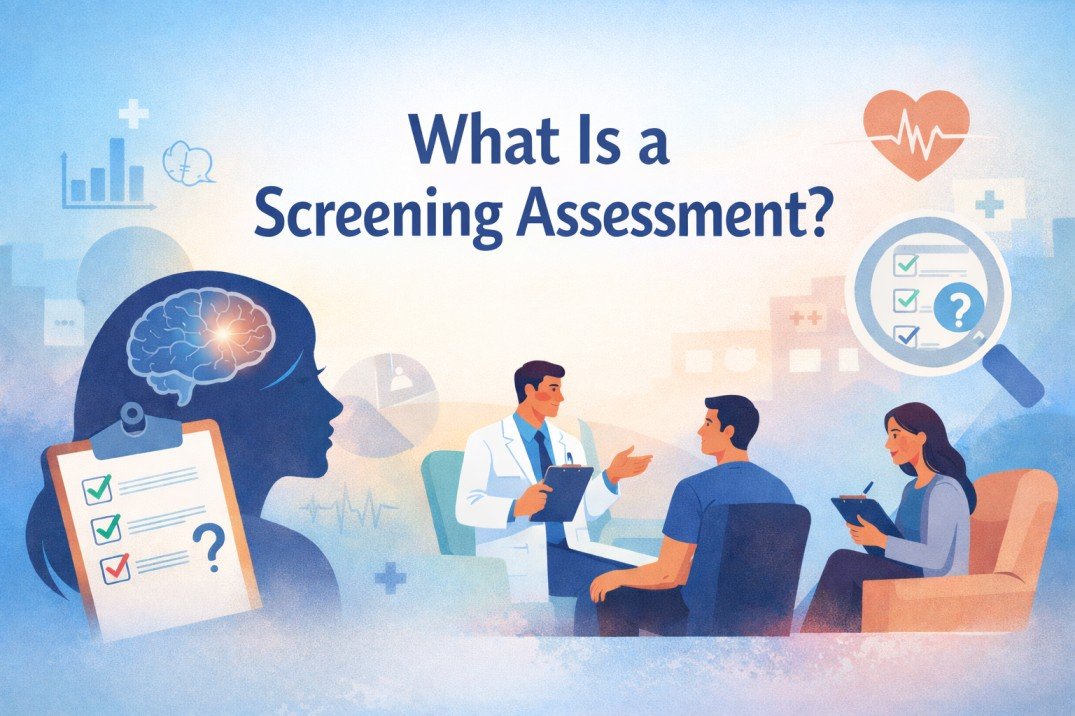
Unlike brief screenings, which may only flag potential concerns, a full psychological evaluation provides in-depth information that can be used to guide diagnosis, treatment, and support.
The Core Purposes of a Psychological Evaluation
One of the main purposes of a psychological evaluation is accurate diagnosis. Many mental health conditions share overlapping symptoms. For example, difficulties with concentration may stem from anxiety, depression, ADHD, trauma, or sleep problems. An evaluation helps clarify what is truly driving these symptoms.
Another important purpose is identifying underlying causes. Instead of focusing only on surface-level behaviors, evaluations explore root factors that contribute to emotional distress, academic struggles, or behavioral challenges.
Psychological evaluations also highlight strengths as well as areas of difficulty. Understanding what a person does well can be just as valuable as identifying challenges, since strengths often become the foundation for effective treatment and coping strategies.
Finally, evaluations provide a roadmap for care. The results guide personalized treatment planning, ensuring that therapy approaches, medication considerations, educational supports, or lifestyle strategies are well matched to the individual’s needs.
Common Reasons People Seek a Psychological Evaluation
People pursue psychological evaluations for many different reasons. Some are experiencing persistent anxiety, low mood, mood swings, or emotional overwhelm. Others notice problems with attention, memory, or organization that interfere with school, work, or daily responsibilities.
Parents may seek evaluations when a child is struggling academically, showing behavioral changes, or falling behind developmentally. Adults may request an evaluation after years of feeling misunderstood or misdiagnosed. In some cases, evaluations are needed for legal, forensic, or occupational purposes.
Regardless of the reason, the shared goal is gaining clarity.
What Areas Can a Psychological Evaluation Assess?
A psychological evaluation can assess a wide range of functioning, including intellectual abilities, learning and academic skills, attention and executive functioning, memory, emotional regulation, personality patterns, and behavioral functioning. Evaluations may also explore symptoms related to anxiety, depression, trauma, ADHD, autism spectrum conditions, and other mental health or neurodevelopmental concerns.
This broad approach allows clinicians to see how different areas interact rather than viewing difficulties in isolation.
Types of Psychological Evaluations
There are several types of evaluations, depending on the referral question. Psychoeducational evaluations focus on learning disorders and academic skills. Emotional and personality evaluations examine mood, anxiety, behavior, and interpersonal functioning. Neuropsychological evaluations look more closely at brain-based functioning such as memory, processing speed, attention, and executive skills. Developmental evaluations assess early childhood milestones and social-communication development. Forensic evaluations address legal or court-related questions.
A qualified provider determines which type or combination of assessments is most appropriate.
What to Expect During a Psychological Evaluation
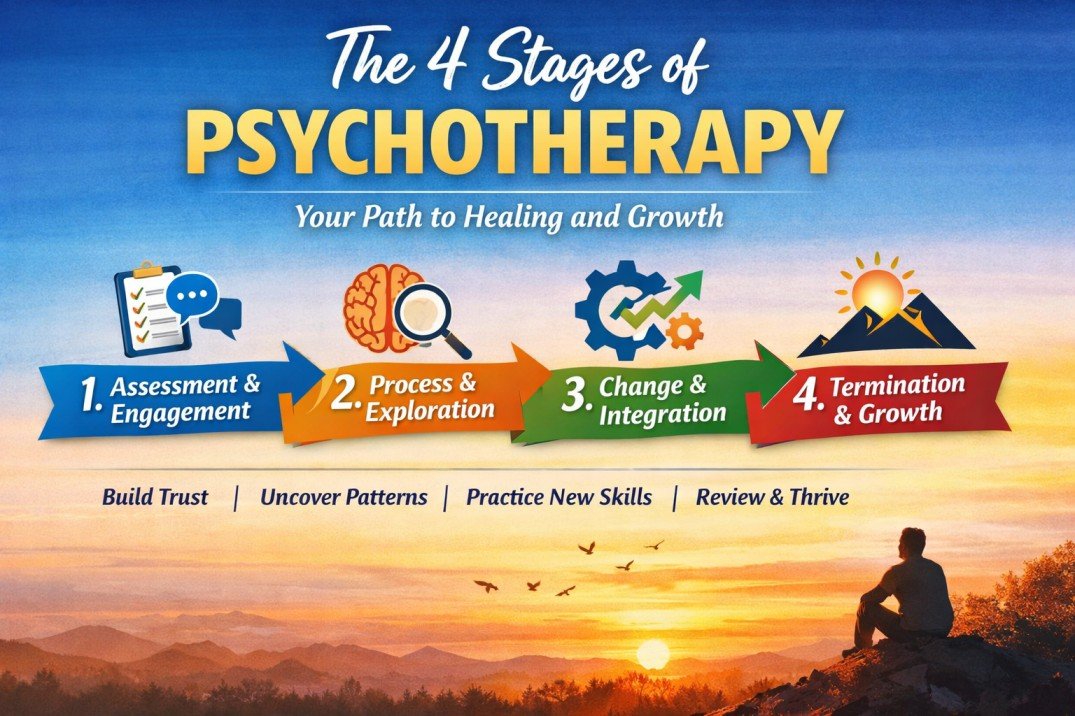
The process typically begins with an intake interview to gather background information about current concerns, history, and goals. Testing sessions follow, which may occur over one or more appointments. Individuals complete various tasks and questionnaires designed to measure different areas of functioning.
After testing is completed, the clinician analyzes the results and prepares a comprehensive report. A feedback session is then scheduled to review findings, explain diagnoses if present, and discuss recommendations in clear, understandable language.
How Psychological Evaluations Guide Treatment
Evaluation results directly inform treatment planning. They help clinicians determine which therapy approaches are likely to be most effective, whether medication may be helpful, and what additional supports could improve functioning. For students, results can support school accommodations or individualized education plans. For adults, evaluations may guide workplace adjustments, coaching, or skill-building strategies.
Who Can Benefit From a Psychological Evaluation?
Psychological evaluations can benefit children, adolescents, adults, and older adults. Anyone experiencing ongoing emotional distress, learning difficulties, cognitive changes, or functional impairment may find an evaluation helpful.
How Psychological Evaluations Support Long-Term Well-Being
Beyond diagnosis, psychological evaluations promote self-understanding. Many people feel relief when they finally have an explanation for long-standing struggles. With clarity comes the ability to make informed choices, reduce self-blame, and move forward with confidence.
Take the First Step Toward Clarity and Support
If you or a loved one is facing emotional, behavioral, learning, or cognitive challenges, a psychological evaluation can provide answers and direction. At A Beautiful Mind Behavioral Health, we offer compassionate, comprehensive psychological evaluations designed to help individuals of all ages gain clarity, feel understood, and move forward with confidence. Our experienced clinicians take a thoughtful, personalized approach to assessment and care. Contact us today to learn more or to schedule an evaluation and take the first step toward improved well-being.