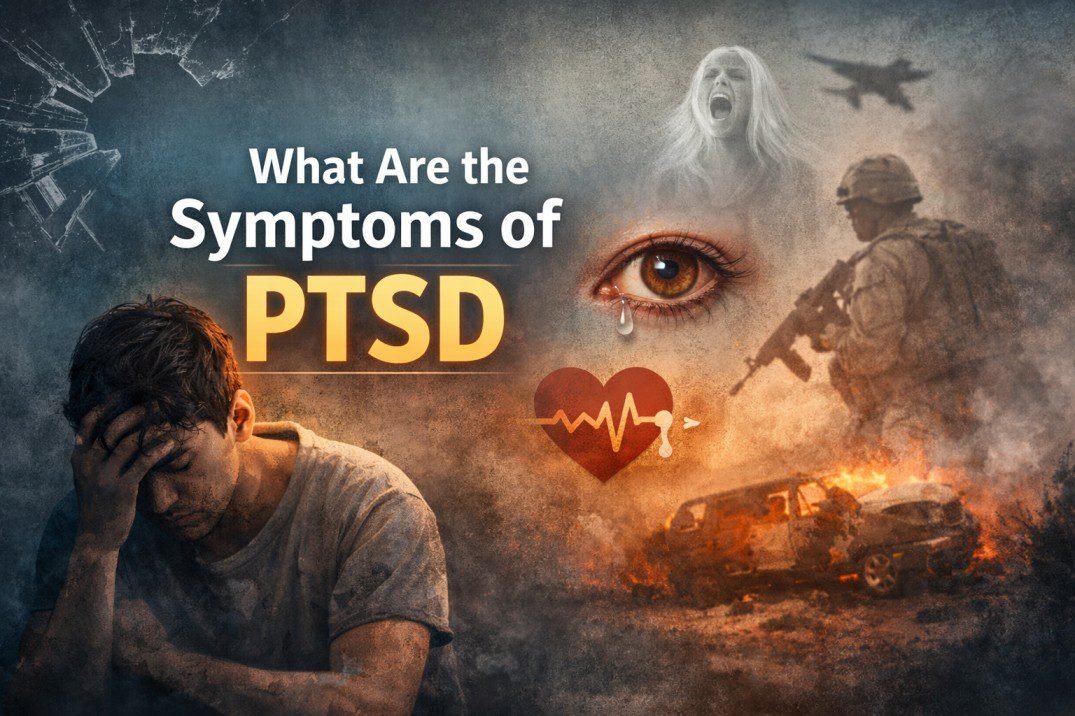
The symptoms of post-traumatic stress disorder PTSD include flashbacks, intrusive memories, nightmares, severe anxiety, avoidance of reminders of trauma, negative mood changes, and constant alertness or irritability. These symptoms develop after a traumatic event and can disrupt sleep, relationships, and daily functioning. When symptoms continue for more than one month and interfere with normal life, they may indicate PTSD.
What Is PTSD
Post-traumatic stress disorder PTSD is a mental health condition that develops after you experience or witness a traumatic event. Trauma may include serious accidents, violence, natural disasters, military combat, or other life-threatening experiences.
During trauma, the brain activates a survival response designed to detect danger and protect the body. In PTSD, this system remains overactive even after the threat has passed. The brain continues to interpret certain memories or reminders as danger. Because of this response, people with PTSD may repeatedly relive the traumatic experience through thoughts, emotions, and physical reactions.
Symptoms often appear within a few months after the traumatic event. In some cases they develop later, especially when stress or reminders trigger unresolved trauma.
Intrusive Symptoms
Intrusive symptoms occur when traumatic memories repeatedly return without warning. Flashbacks are a common example. During a flashback, you may feel as if the traumatic event is happening again in the present moment.
Nightmares related to the trauma also occur frequently and often disturb sleep. Many people experience distressing memories during the day that interrupt concentration or daily activities. Physical reactions such as sweating, shaking, or a racing heartbeat may occur when something reminds you of the event.
Avoidance Symptoms
Avoidance involves trying to stay away from reminders of the trauma. You may avoid certain people, places, or conversations connected to the experience.
Some individuals avoid talking about the event entirely because it causes emotional distress. Others withdraw from social situations or stop participating in activities they once enjoyed. Avoidance can reduce distress temporarily, but it often prevents emotional processing and may prolong symptoms.
Negative Changes in Mood and Thinking
PTSD can change how you think about yourself and the world. Many individuals develop persistent negative beliefs after trauma. You may feel unsafe, blame yourself for the event, or believe that others cannot be trusted.
Emotional numbness is also common. People may feel disconnected from family, friends, or activities they previously enjoyed. Feelings of guilt, anger, fear, or shame may remain for long periods. Some individuals also struggle to remember important parts of the traumatic experience.
Arousal and Reactivity Symptoms
Trauma can keep the nervous system in a constant state of alertness. You may feel tense, easily startled, or constantly aware of potential threats around you.
Irritability and sudden anger outbursts often occur. Sleep disturbances such as insomnia or restless sleep are common. Difficulty concentrating may also appear because the brain remains focused on scanning for danger instead of everyday tasks.
Physical Symptoms of PTSD
PTSD can affect physical health as well as emotional well-being. When the brain repeatedly activates the stress response, the body releases stress hormones for long periods.
This reaction can cause headaches, stomach pain, sweating, rapid heart rate, fatigue, or muscle tension. These symptoms demonstrate how closely emotional trauma and physical health are connected.
When to Seek Professional Help
It is normal to feel upset after a traumatic event. Many people recover gradually within several weeks. Professional help becomes important when symptoms last longer than one month or begin interfering with work, relationships, or daily responsibilities.
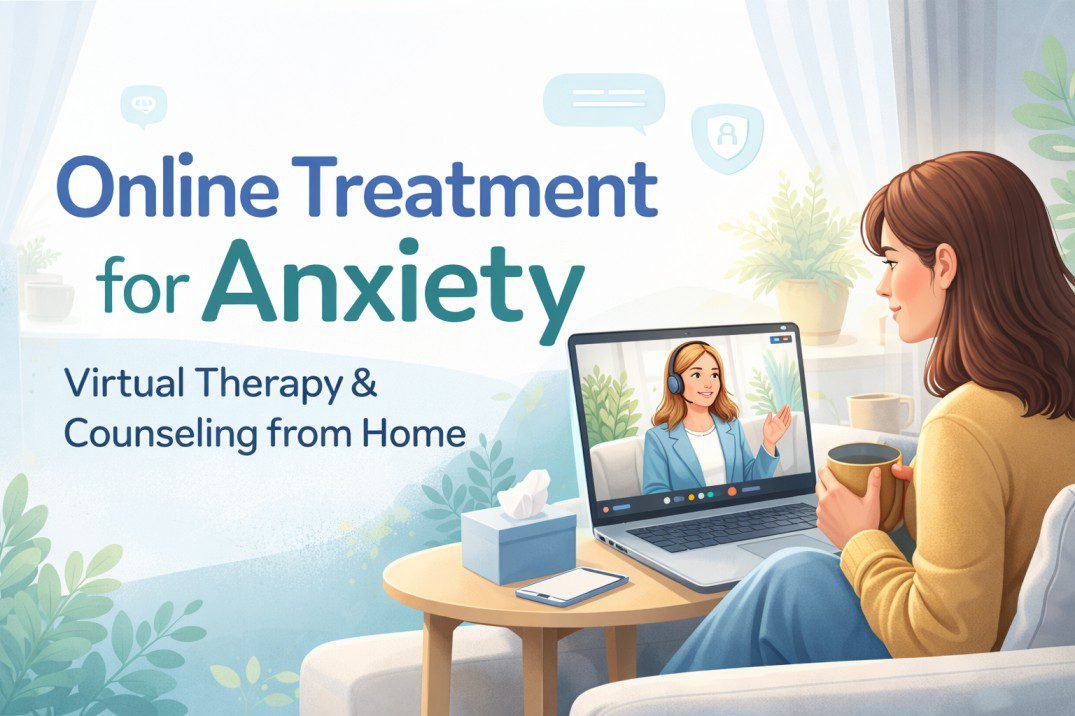
Mental health professionals can evaluate trauma symptoms and recommend treatment. Many individuals now use online PTSD therapy to connect with licensed therapists through secure video sessions. Online therapy for PTSD allows people to receive professional support from home.
People in California and across the United States increasingly use PTSD online therapy services to access consistent treatment. Some providers also offer PTSD psychiatry online for psychiatric evaluation and medication management when necessary.
Frequently Asked Questions
What are the most common symptoms of PTSD
Common symptoms include flashbacks, nightmares, intrusive memories, emotional avoidance, negative mood changes, and constant alertness or irritability.
How long do PTSD symptoms last
Symptoms may begin within a few months after trauma. If they continue longer than one month and interfere with daily functioning, professional evaluation is recommended.
Can PTSD symptoms appear years later
Yes. Some individuals develop delayed PTSD symptoms months or years after the traumatic event when reminders or stress reactivate trauma memories.
Is online therapy effective for PTSD
Research shows that structured online therapy for PTSD can be effective when provided by licensed mental health professionals using evidence based treatment approaches.
Conclusion
PTSD symptoms include intrusive memories, avoidance behaviors, mood changes, and heightened stress responses that can affect both mental and physical health. Recognizing these symptoms helps individuals understand how trauma affects the brain and when professional help may be necessary. Treatment options such as online PTSD therapy and PTSD psychiatry online provide accessible support for individuals seeking care. Professional guidance from A Beautiful Mind Behavioral Health can help individuals manage trauma symptoms and begin the process of recovery.