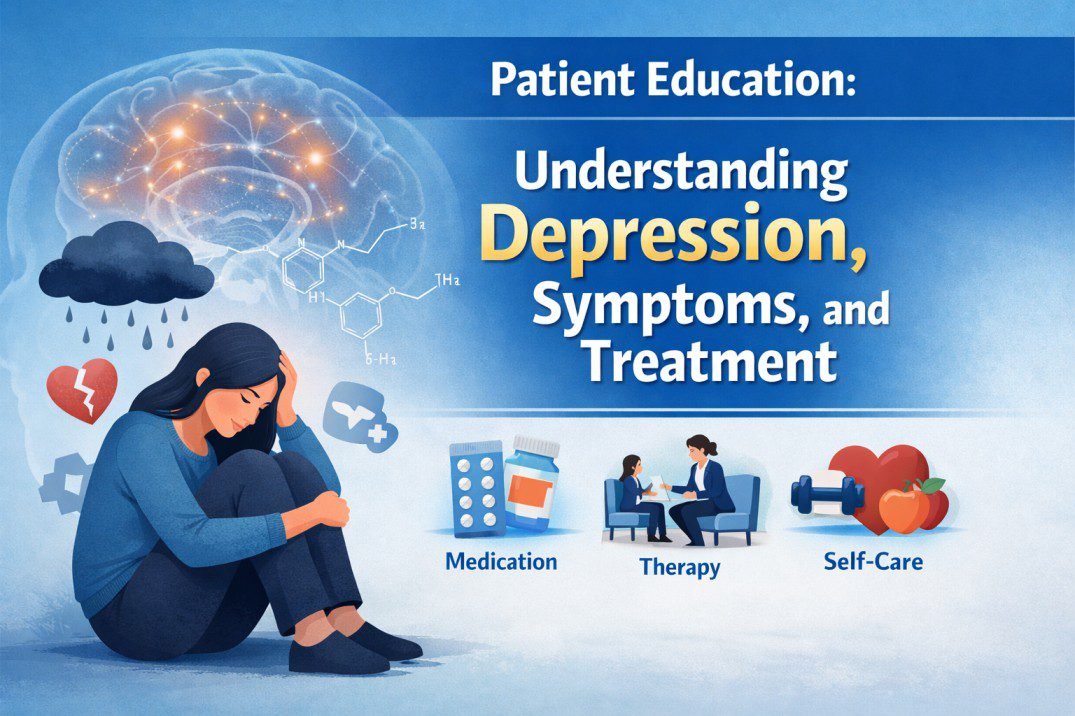
Patient education about depression helps you understand that depression is a medical illness that affects mood, energy, thinking, and daily functioning. In patient education, you learn about symptoms, causes, diagnosis, treatment, and coping strategies so you can recognize depression early and seek appropriate care. With proper treatment, most people with depression improve and return to normal activities.
What Is Depression?
Depression is a mental health condition that affects how your brain regulates emotions, motivation, and daily functioning. It differs from temporary sadness. Everyone experiences difficult days, but clinical depression persists for weeks or longer and interferes with work, relationships, and routine activities.
Brain systems that regulate mood rely on chemical messengers called neurotransmitters. Serotonin, dopamine, and norepinephrine help control emotional balance and energy. When these systems become disrupted, symptoms such as persistent sadness, fatigue, and loss of interest can develop.
Depression can affect anyone regardless of age or background. It often develops gradually, which makes symptoms harder to recognize early.
Also Read: What Is a Screening Assessment?
Common Signs and Symptoms of Depression
Doctors typically diagnose depression when symptoms persist for at least two weeks and interfere with daily life.
Emotional Symptoms
Persistent sadness, hopelessness, or emotional emptiness are common early signs. Activities that once felt enjoyable may no longer bring satisfaction.
Physical Symptoms
Depression frequently affects sleep and energy. Some people experience insomnia while others sleep excessively. Fatigue, appetite changes, and low physical energy are also common.
Cognitive Symptoms
Depression also affects thinking. You may struggle with concentration, decision making, or memory. Negative thoughts about yourself or the future often become more frequent.
What Causes Depression?
Depression develops through a combination of biological and life factors.
Brain Chemistry
Neurotransmitters regulate mood and motivation. When serotonin or dopamine activity changes, emotional regulation becomes more difficult.
Genetics and Biology
People with a family history of depression have a higher risk. Hormonal changes, chronic illness, and certain medications can also influence mood regulation.
Life Stress and Environment
Major life changes, financial stress, trauma, or relationship conflict can trigger depressive episodes, particularly when multiple stressors occur at the same time.
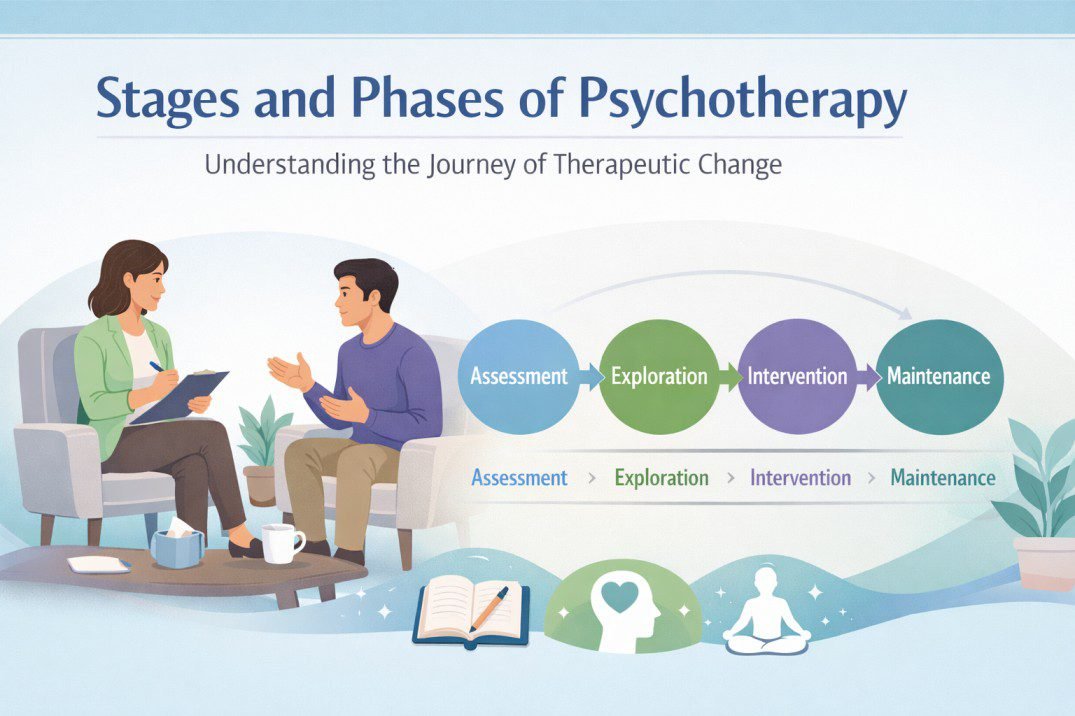
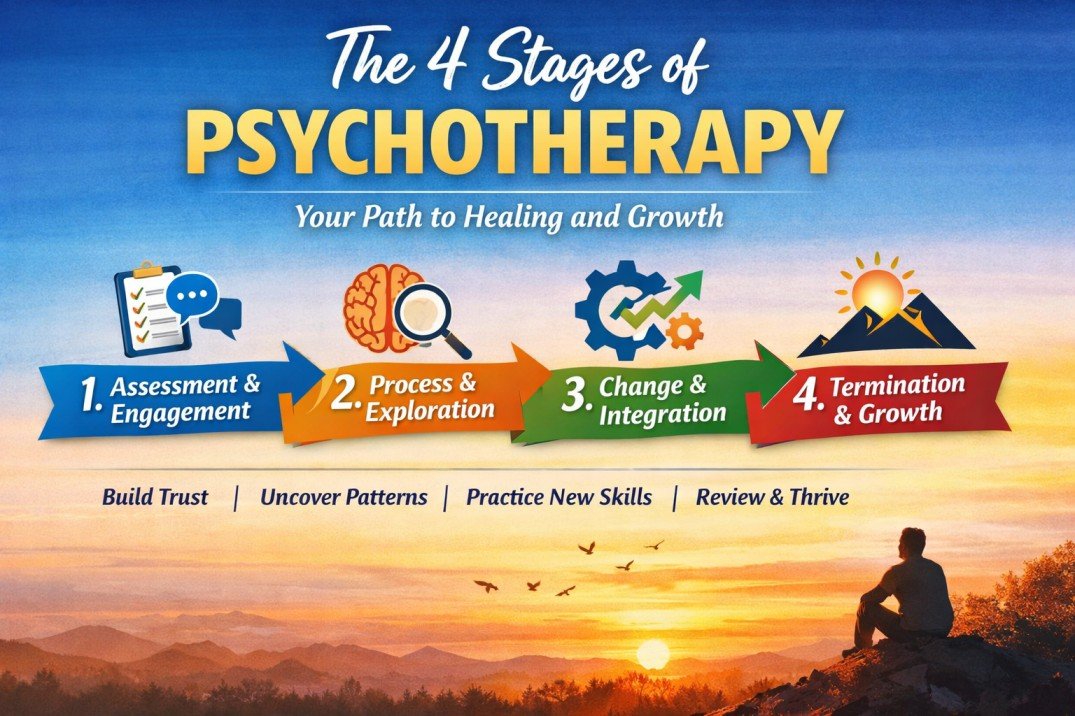
Also Read: What Are the 4 Stages of Psychotherapy?
How Depression Is Diagnosed
Mental health professionals diagnose depression through a clinical evaluation. The clinician asks about mood, sleep patterns, energy levels, and daily functioning. Screening questionnaires may help measure symptom severity. Doctors sometimes conduct physical exams to rule out medical conditions that can mimic depression.
Accurate diagnosis helps determine the most appropriate treatment plan.
Treatment Options for Depression
Effective depression treatment usually combines therapy, medication when necessary, and supportive lifestyle changes.
Psychotherapy
Psychotherapy helps you understand how thoughts and behaviors influence mood. Cognitive behavioral therapy teaches practical techniques that help you challenge negative thinking and rebuild healthy routines.
Antidepressant Medication
Antidepressants help regulate neurotransmitters involved in mood. Doctors prescribe medication when symptoms significantly affect daily functioning.
Lifestyle Support
Regular exercise, consistent sleep, and balanced nutrition support emotional stability and improve treatment outcomes.
How Long Does Treatment Take?
Depression treatment requires patience. Antidepressant medications often begin producing improvement within one to four weeks, with full benefits appearing after six to eight weeks. Psychotherapy may also require several weeks before noticeable improvements occur. Consistent treatment allows the brain and behavior patterns to stabilize.
Frequently Asked Questions
Is depression a medical illness?
Yes. Depression involves measurable changes in brain chemistry and emotional regulation. It requires proper medical and psychological care.
Can depression improve without treatment?
Mild symptoms sometimes improve with lifestyle changes and social support. Moderate or severe depression usually requires professional treatment.
Do antidepressants work immediately?
No. Most medications require several weeks before noticeable improvement occurs.
Can depression return after recovery?
Yes. Depression can recur, especially during periods of stress. Continued mental health care and healthy routines help reduce relapse risk.
Conclusion
Depression is a treatable medical condition that affects emotional health, thinking patterns, and daily functioning. It develops through a combination of biological factors and life stress. Recognizing symptoms early and seeking professional care improves recovery outcomes. With appropriate therapy, medication when needed, and supportive lifestyle habits, most people with depression regain stability and improve their quality of life.
If you are struggling with symptoms of depression or need professional support, the team at A Beautiful Mind Behavioral Health provides compassionate mental health care and personalized treatment to help individuals understand their condition and move toward recovery.